"Megaesophagus makes it difficult for pets to swallow properly. Learn about its causes, symptoms, and how to provide specialized care for affected pets."
What Is Megaesophagus?
Megaesophagus is a disorder where the esophagus loses its ability to move food and water to the stomach. This can lead to regurgitation, malnutrition, and other complications.
Causes of Megaesophagus
The condition can be congenital (present at birth) or acquired later in life. Common causes include:
- Congenital Defects: Some pets are born with an underdeveloped esophagus.
- Neuromuscular Diseases: Conditions like myasthenia gravis can affect esophageal function.
- Toxins or Infections: Exposure to certain toxins or infections can lead to megaesophagus.
- Idiopathic: In some cases, the cause remains unknown.
Symptoms to Watch For
If your pet has megaesophagus, you may notice:
- Regurgitation: Undigested food or water is brought back up. This is different from vomiting, as it’s usually effortless.
- Weight Loss: Difficulty eating can lead to chronic malnutrition.
- Bad Breath: Food stuck in the esophagus can ferment and cause odor.
- Aspiration Pneumonia: Inhaling regurgitated material is a dangerous complication that leads to lung infections.
Diagnosing Megaesophagus
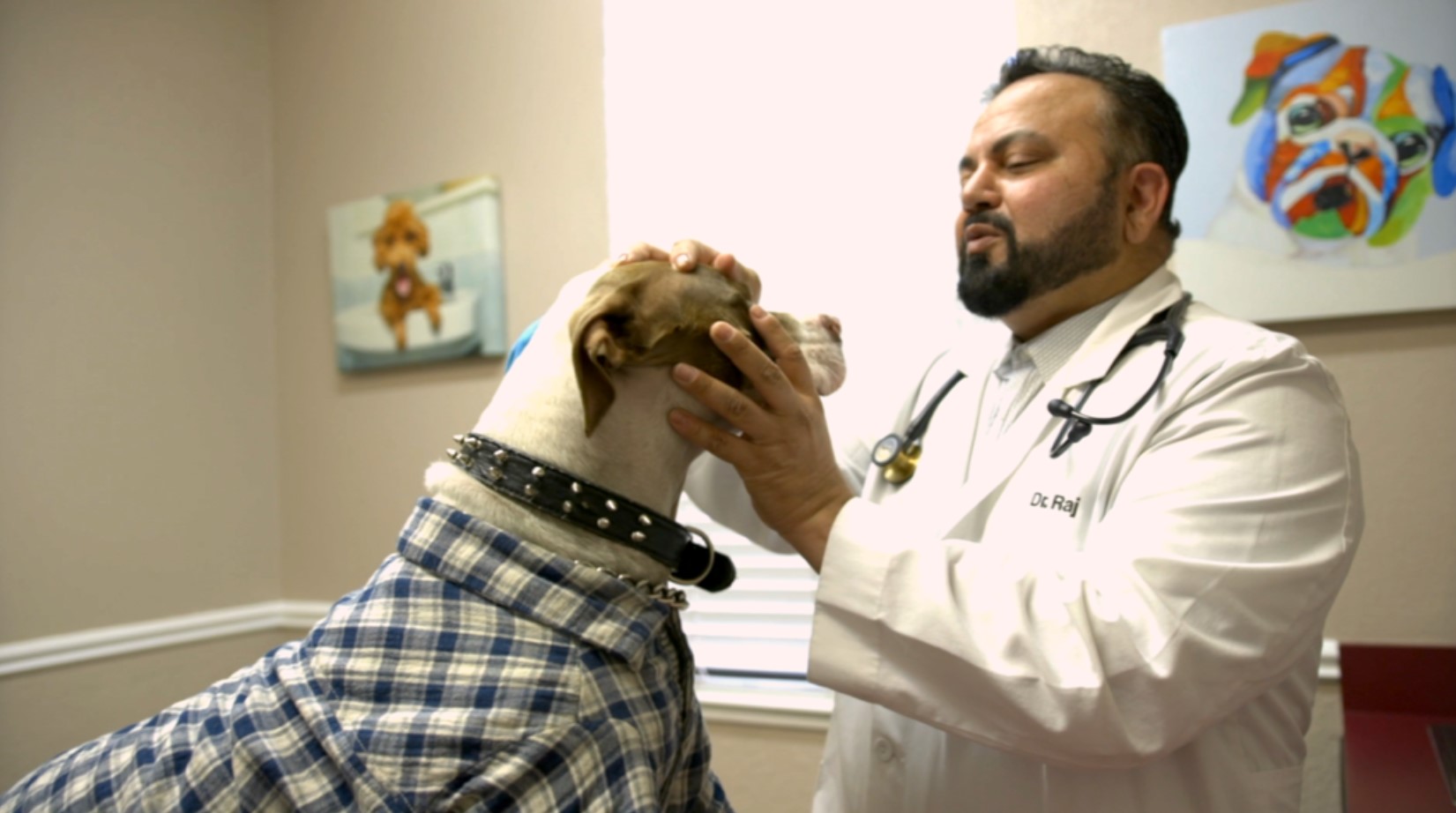
If you suspect your pet has megaesophagus, consult your veterinarian at Central Valley Veterinary Hospital. Diagnostic tests may include:
- X-rays (Barium Swallow): To visualize the size and shape of the esophagus.
- Blood Tests: To check for underlying neuromuscular or metabolic conditions.
- Endoscopy: To examine the esophagus internally for abnormalities.
Management and Care
While there’s no cure for megaesophagus, management strategies can improve your pet’s quality of life:
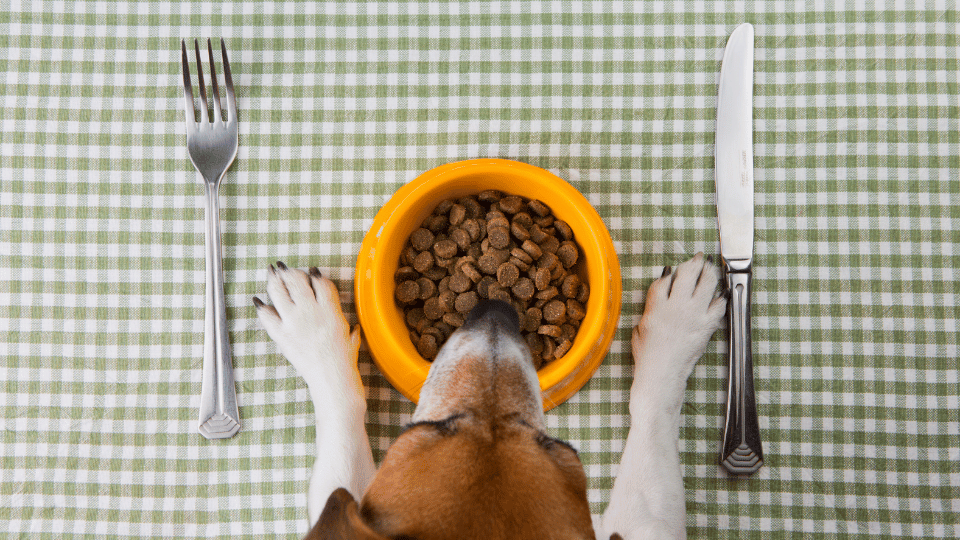
- Elevated Feeding (Baileys Chair): Feeding your pet in an upright position (vertical) allows gravity to move food to the stomach.
- Special Diets: Soft, "meatball" style food or liquid diets are often easier to manage.
- Upright Time: Maintain an upright position for 20-30 minutes after every meal.
- Aspiration Monitoring: Watch closely for signs of coughing or fever.
Conclusion
Megaesophagus can be a challenging condition, but with proper care and dedication, your pet can still enjoy a good quality of life. If you have concerns about your pet’s health or need a specialized care plan, contact Central Valley Veterinary Hospital at (209) 239-2547 for expert advice.
Related Clinical Services
Learn more about veterinary services related to this topic: