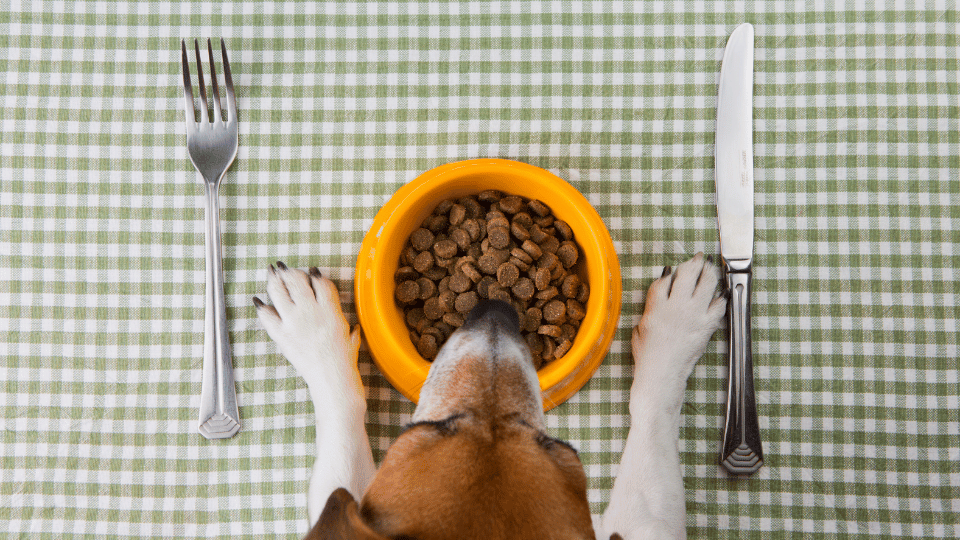
"A balanced diet is essential for your dog’s overall health and well-being. Learn how to create a nutritious plan that meets your dog’s unique needs."
Understanding Your Dog’s Nutritional Needs
Every dog is an individual, and their dietary requirements can shift significantly based on their age, size, activity level, and underlying health profile. A truly balanced diet must include five core pillars:
- Protein: The building blocks for muscle development, tissue repair, and internal enzymes.
- Fats: provide concentrated energy and support critical skin, coat, and brain health.
- Carbohydrates: Offer a source of readily available energy and essential fiber for digestion.
- Vitamins and Minerals: Essential for hundreds of metabolic processes, from bone strength to immune function.
- Water: The most vital nutrient of all; ensure fresh water is available at all times.
Choosing the Right Type of Food
The foundation of a balanced diet usually starts with one of these three approaches:
- Commercial Dog Food: The most convenient and reliable option. Look for high-quality brands that explicitly meet AAFCO (Association of American Feed Control Officials) standards for a "complete and balanced" life stage.
- Homemade Diets: While offering the most control over ingredients, these are difficult to balance correctly. If you choose this path, always work with a veterinary nutritionist to ensure no critical deficiencies occur.
- Raw Feeding: While some owners prefer raw diets, they carry risks of bacterial contamination and bone-related injuries. Consult our team before making this transition.
The Importance of Portion Control
Even the healthiest food can lead to health problems if fed in the wrong amounts. Overfeeding can lead to obesity, which puts stress on joints and internal organs. Conversely, underfeeding can lead to malnutrition and weakness. Stick to a consistent feeding schedule—usually twice daily for adults—to help regulate metabolism and digestion.
Life Stage and Health Considerations
Dietary needs change as your pet grows:
- Puppies: Need nutrient-dense food with higher calcium and phosphorus for rapid growth.
- Seniors: Often benefit from lower calorie counts to prevent weight gain and higher levels of joint-supporting nutrients like Glucosamine.
- Medical Needs: Condition like diabetes, kidney disease, or food allergies require specialized prescription diets formulated to manage internal stress.
Conclusion
A balanced diet is the greatest gift you can give your dog, providing the foundation for a long, vibrant life. Because every pet is unique, we recommend a nutritional consultation during your pet's next wellness exam. If you have questions about your dog's current diet, contact Central Valley Veterinary Hospital at (209) 239-2547 for expert guidance.
Related Clinical Services
Learn more about veterinary services related to this topic: