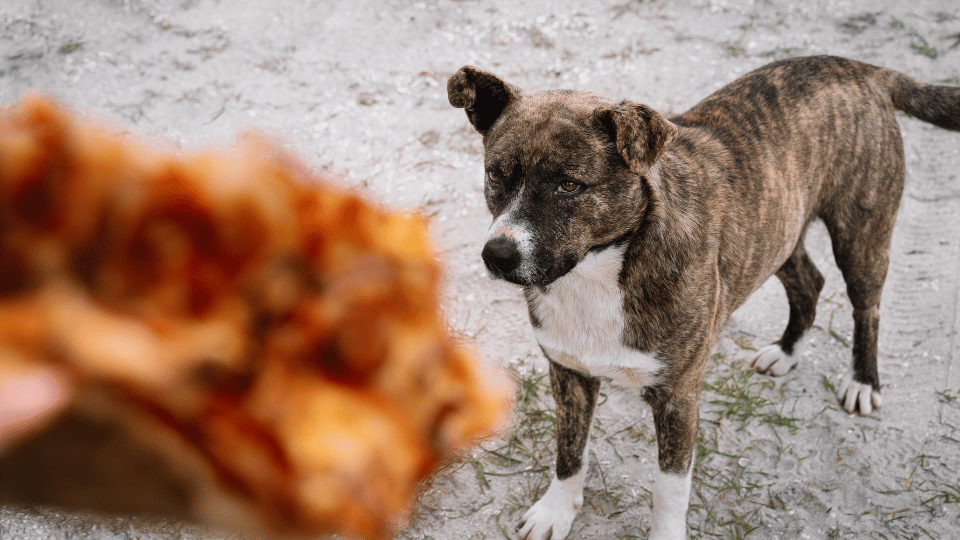
"The question of whether dogs are strictly carnivores is common. Learn why dogs are actually opportunistic omnivores and how to meet their nutritional needs."
Are Dogs Carnivores or Omnivores?
While dogs are often classified as carnivores, they are actually opportunistic omnivores. This means they can thrive on a diet that includes both animal and plant-based foods.
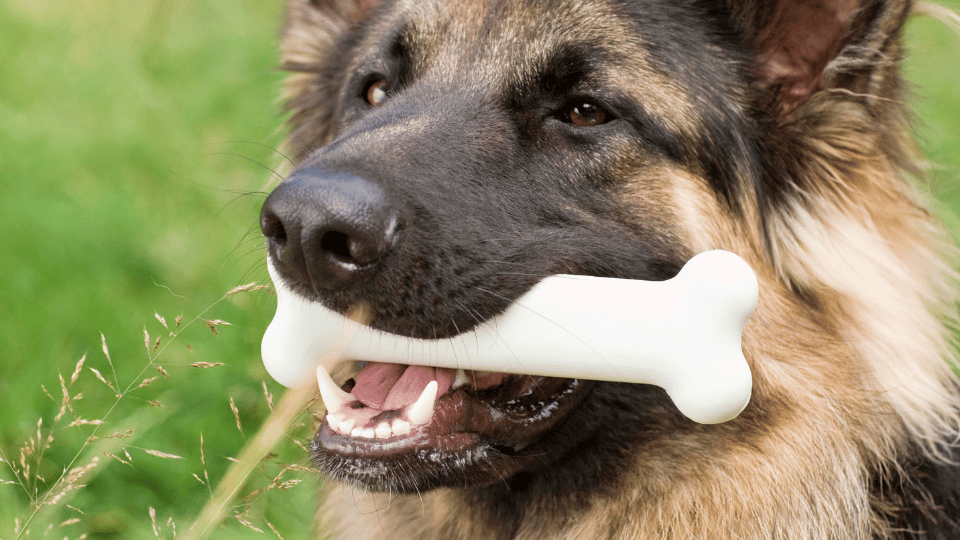
- Carnivorous Traits: Dogs have sharp, pointed teeth designed for tearing meat and a relatively short digestive tract adapted to process animal proteins.
- Omnivorous Traits: Unlike "obligate carnivores" (like cats), dogs can efficiently digest starches and benefit from vitamins and fiber found in plants.
Nutritional Needs of Dogs
A balanced diet for dogs should include five essential components:
- Protein: Essential for muscle development, tissue repair, and immune function. Sources include high-quality meats, fish, and eggs.
- Fats: Provide concentrated energy and support skin and coat health. Sources include animal fats and oils like omega-3 fatty acids.
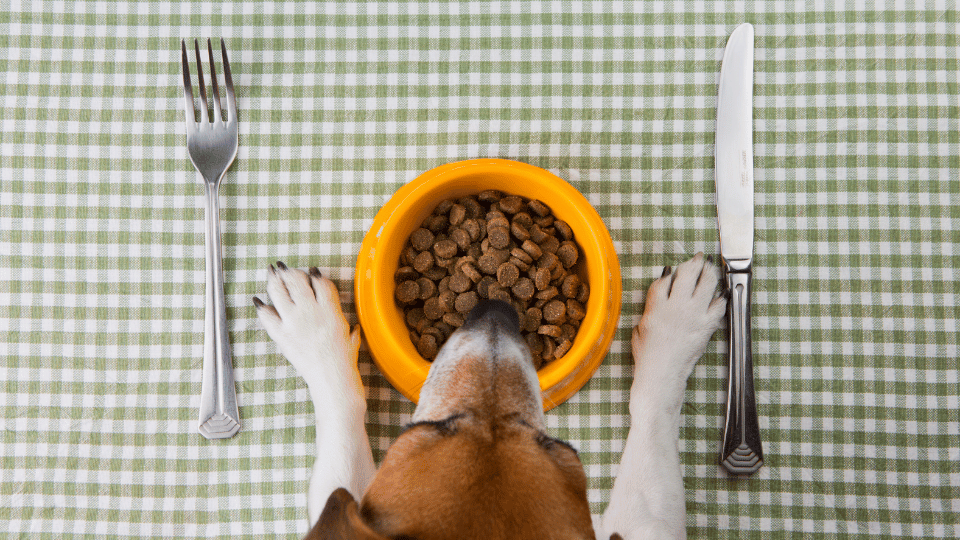
- Carbohydrates: Offer a source of readily available energy. Healthy sources include grains, vegetables, and certain fruits.
- Vitamins and Minerals: Support everything from bone strength to metabolic processes. These are found in a variety of whole foods.
- Water: The most critical nutrient, essential for every bodily function.
Common Misconceptions About Dog Diets
There are several misconceptions that can lead to nutritional imbalances:
- "Dogs Should Only Eat Meat": While meat is a primary component, a meat-only diet is often deficient in calcium and certain vitamins that plant matter provides.
- "Grains Are Fillers": For most dogs, grains like rice or barley are highly digestible sources of energy and fiber. Grain-free diets are not necessarily superior unless a specific allergy exists.
- "Raw Diets are Always Natural": Raw diets can be healthy if professionally balanced, but they also carry risks of bacterial contamination (like Salmonella) and nutritional deficiencies if not formulated correctly.
Signs of Proper Nutrition
How do you know if your dog's diet is working? Look for these signs of health:
- A shiny, healthy coat without excessive shedding or dandruff.
- Consistent energy levels appropriate for their age.
- Firm, regular stools.
- Maintaining a healthy weight (you should be able to feel, but not see, their ribs).
Conclusion
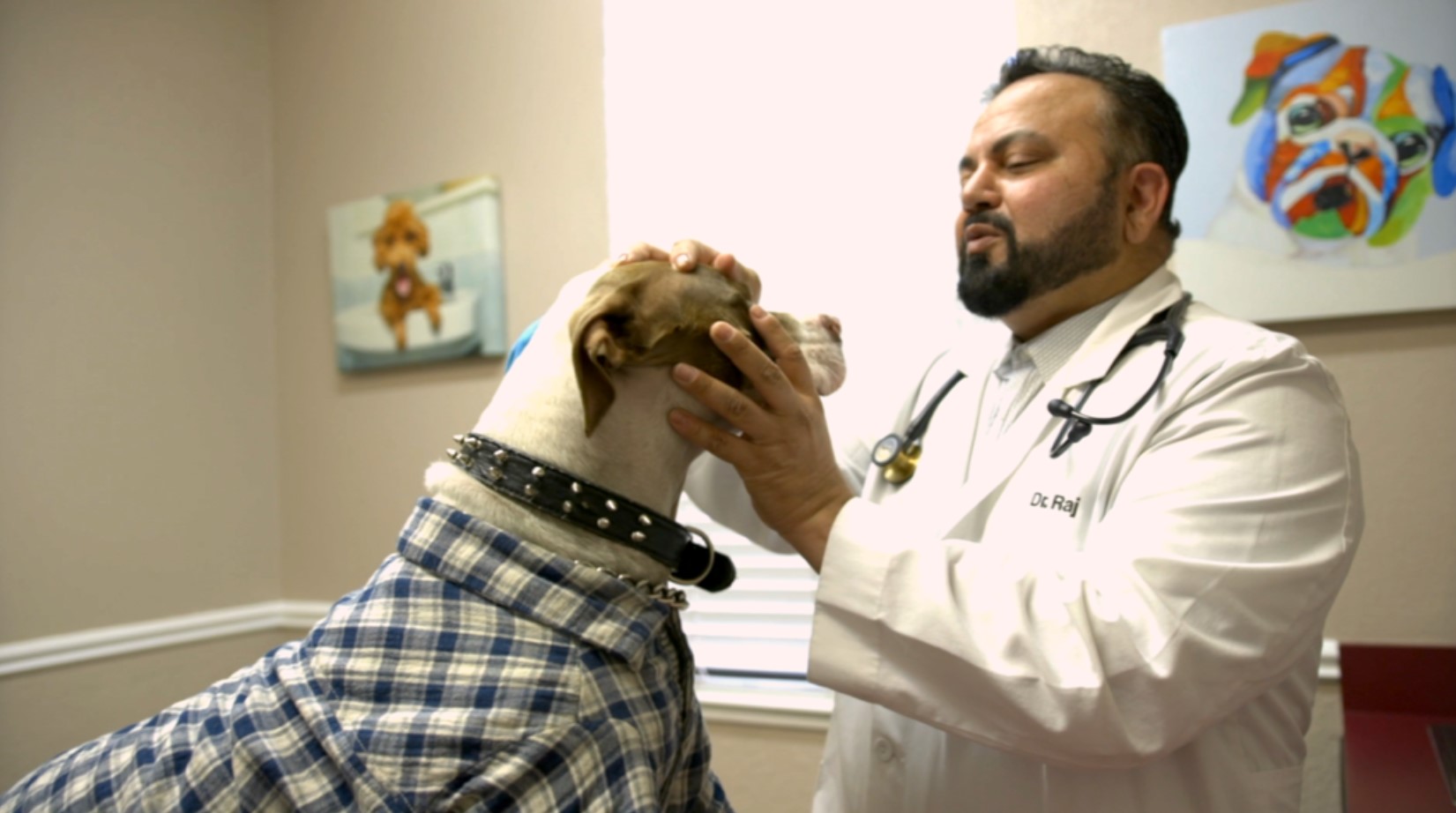
Understanding that dogs are omnivores opens the door to a more complete and resilient nutritional profile. By providing a balanced diet tailored to their lifestyle, you can ensure your dog stays healthy and happy for years to come. If you have questions about which food is right for your pet, contact Central Valley Veterinary Hospital at (209) 239-2547 for expert nutritional guidance.
Related Clinical Services
Learn more about veterinary services related to this topic: